
How to Choose Healthy Plants When Buying Online
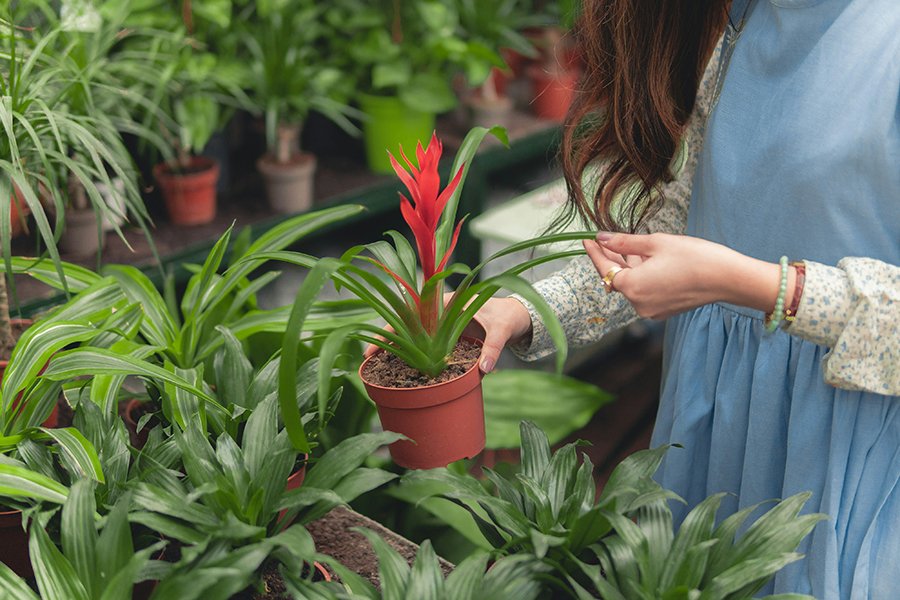
Buying plants online has become increasingly popular among gardening enthusiasts, homeowners, apartment dwellers, and plant collectors. With just a few clicks, you can access a wide variety of indoor plants, outdoor plants, flowering plants, succulents, herbs, fruit plants, and gardening supplies that may not be available locally.
However, purchasing plants online can feel challenging, especially for beginners. Since you cannot physically inspect the plant before it arrives, knowing how to identify healthy plants and trustworthy sellers is essential.
In this guide, you'll learn how to choose healthy plants when buying online, what to look for in product listings, common mistakes to avoid, and how to ensure your plants arrive in excellent condition.
Why Buy Plants Online?
Online plant shopping offers several advantages:
- Access to a wider variety of plants
- Convenience of home delivery
- Ability to compare multiple sellers
- Access to rare and specialty plants
- Easy price comparison
- Availability of gardening accessories and supplies
For many gardeners, online marketplaces have become the preferred way to expand their plant collections.
Why Choosing Healthy Plants Matters
A healthy plant is more likely to:
- Adapt quickly to its new environment
- Grow vigorously
- Resist pests and diseases
- Produce flowers and fruits
- Survive transportation stress
Starting with a healthy plant saves time, money, and frustration.
1. Buy from Trusted Sellers
The most important factor when buying plants online is choosing reputable sellers.
Look For:
- Positive customer reviews
- Detailed product descriptions
- Clear plant photographs
- Transparent policies
- Good seller ratings
- Plant care information
Reliable sellers are usually more careful about plant quality and packaging.
2. Carefully Examine Plant Photos
Photos can reveal a lot about plant health.
Healthy Plants Typically Have:
- Bright, vibrant foliage
- Natural leaf color
- Upright stems
- Balanced growth
- Well-developed leaves
Warning Signs
Avoid plants that show:
- Yellow leaves
- Brown leaf edges
- Wilting foliage
- Excessive leaf drop
- Visible pest damage
Always zoom in on product images whenever possible.
3. Read the Plant Description Thoroughly
A good listing should provide essential information about the plant.
Important Details Include:
- Plant size
- Pot size
- Light requirements
- Watering needs
- Growth habits
- Indoor or outdoor suitability
- Climate preferences
Detailed descriptions often indicate a knowledgeable seller.
4. Check Plant Size Before Ordering
Plant photos can sometimes make plants appear larger than they actually are.
Verify:
- Plant height
- Pot dimensions
- Age of the plant
- Growth stage
Understanding the actual size helps set realistic expectations.
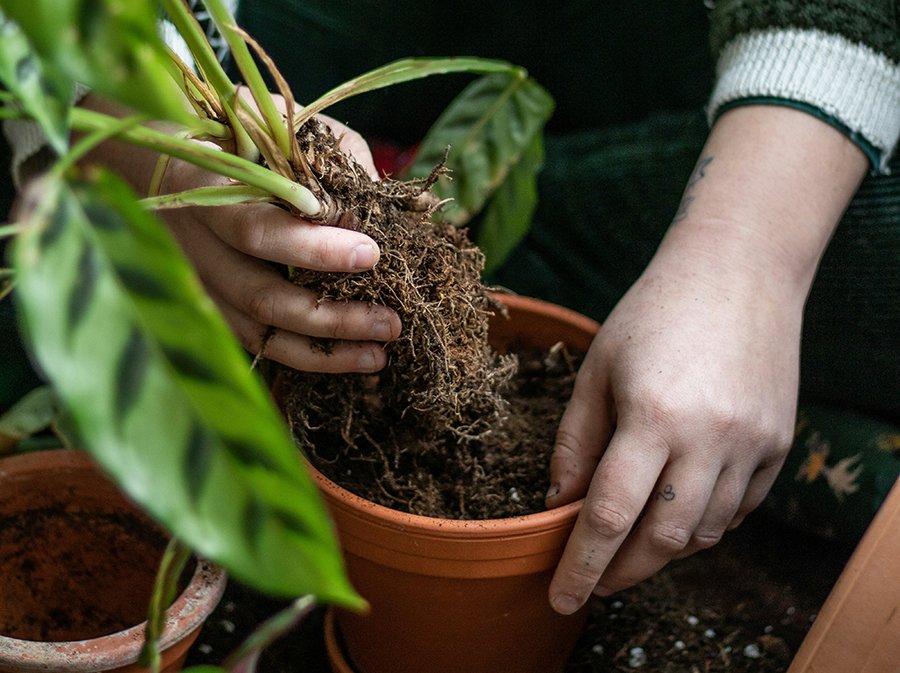
5. Look for Healthy Root Systems
While roots may not always be visible in online listings, healthy sellers often provide information about root development.
Healthy Roots Are Usually:
- Well-established
- White or light-colored
- Free from rot
- Properly contained within the pot
Avoid sellers who frequently receive complaints about root issues.
6. Read Customer Reviews
Customer feedback is one of the most valuable resources when shopping online.
Look For Comments About:
- Plant health upon arrival
- Packaging quality
- Seller responsiveness
- Survival rate
- Product accuracy
Photos uploaded by buyers often provide the most realistic representation of what you can expect.
7. Check Packaging Standards
Plants are living products and require careful packaging.
Good Packaging Should:
- Protect stems and leaves
- Prevent soil spillage
- Secure the root ball
- Allow airflow when appropriate
Proper packaging significantly increases the likelihood of receiving a healthy plant.
8. Understand Seasonal Factors
Certain plants travel better during specific seasons.
Consider:
- Summer heat
- Monsoon humidity
- Winter cold
- Shipping distance
Extreme weather conditions may temporarily affect plant appearance after delivery.
9. Inspect Plants Immediately Upon Arrival
Once your plant arrives, inspect it carefully.
Check For:
- Leaf condition
- Broken stems
- Pest presence
- Soil moisture
- Packaging damage
A little stress during shipping is normal and usually temporary.
10. Allow Time for Acclimatization
New plants often need time to adjust to their surroundings.
Acclimatization Tips
- Avoid repotting immediately.
- Place the plant in indirect light initially.
- Water only when needed.
- Observe for signs of recovery.
Most healthy plants recover within a few days to a couple of weeks.
Signs of a Healthy Plant
Whether shopping online or in person, healthy plants generally exhibit:
Healthy Leaves
- Rich color
- No discoloration
- No holes or damage
Strong Stems
- Upright growth
- Firm structure
Healthy Roots
- No foul odor
- No signs of rot
Balanced Growth
- Even distribution of leaves
- Natural shape
These characteristics indicate good plant health.
Warning Signs to Avoid
Be cautious if listings show:
- Yellowing leaves
- Brown spots
- Wilted appearance
- Pest damage
- Mold on soil
- Extremely dry plants
These issues may indicate poor maintenance or plant stress.
Best Plants for First-Time Online Buyers
Some plants adapt particularly well to shipping and beginner care.
Recommended Choices
- Snake Plant
- Money Plant
- ZZ Plant
- Spider Plant
- Aloe Vera
- Jade Plant
- Syngonium
- Philodendron
These plants are generally hardy and forgiving.
Questions to Ask Before Buying
If seller communication is available, consider asking:
- How old is the plant?
- What size pot is included?
- Is the plant rooted?
- What care does it require?
- How is it packaged for shipping?
Good sellers are usually happy to answer questions.
Common Mistakes When Buying Plants Online
Buying Based Only on Photos
Always read descriptions and reviews.
Ignoring Climate Compatibility
Choose plants suitable for your region.
Ordering Too Many Plants at Once
Start with a few easy-care varieties.
Not Researching Care Requirements
Understanding plant needs improves success rates.
Focusing Only on Price
The cheapest option isn't always the best value.
Quality and plant health should remain top priorities.
Why Online Plant Marketplaces Are Growing
Online plant marketplaces make it easier than ever to connect buyers with nurseries, growers, and gardening suppliers from across the country.
Benefits include:
- Greater variety
- Competitive pricing
- Access to specialty plants
- Convenient delivery
- Gardening product availability
This growing trend has helped more people discover the joys of gardening.
Buy Healthy Plants Online at Bagecha.in
Finding healthy plants becomes much easier when shopping through a trusted marketplace. Whether you're looking for indoor plants, flowering plants, succulents, herbs, fruit plants, vegetable seedlings, pots, fertilizers, seeds, or gardening accessories, quality matters.
Bagecha.in is a growing marketplace that connects plant lovers with trusted plant sellers across India. Buyers can explore a wide selection of plants and gardening products while comparing options from different sellers in one place. Whether you're creating a balcony garden, decorating your home with indoor plants, or starting a terrace garden, Bagecha.in helps you find healthy plants and reliable gardening supplies for every need.
Final Thoughts
Buying plants online can be a convenient and enjoyable experience when you know what to look for. By choosing trusted sellers, carefully reviewing product descriptions, checking customer feedback, and understanding plant care requirements, you can confidently purchase healthy plants that thrive in your home or garden.
Start with beginner-friendly varieties, inspect your plants upon arrival, and provide proper care during the acclimatization period. With a little knowledge and preparation, online plant shopping can become one of the easiest ways to grow your plant collection and create a greener living space.
Comments (0)
Leave a Comment