
How to Start an Organic Kitchen Garden at Home
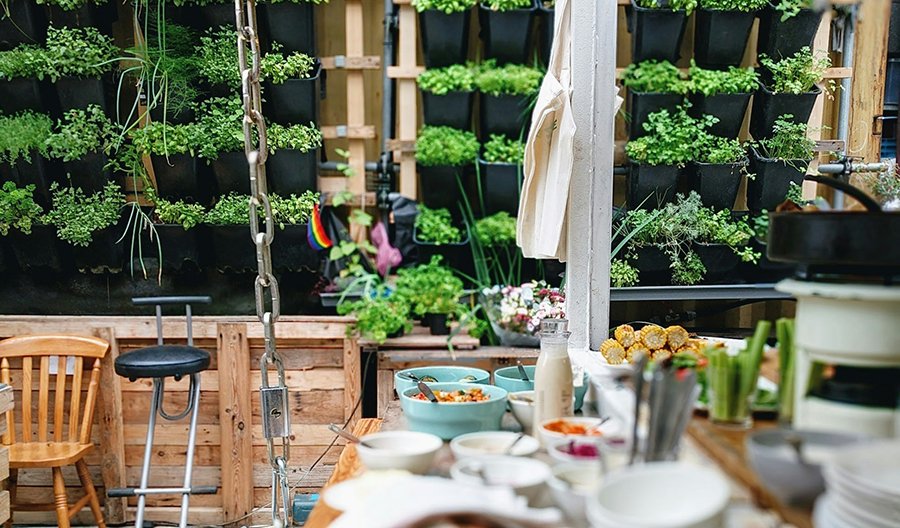
Imagine stepping outside your door and picking fresh coriander, mint, tomatoes, chillies, or spinach directly from your own garden. An organic kitchen garden is one of the easiest and most rewarding ways to grow fresh, chemical-free vegetables and herbs at home. Whether you have a balcony, terrace, backyard, or even a sunny window, you can create a productive kitchen garden with minimal investment.
With growing awareness about healthy eating and sustainable living, more families are turning to home gardening to enjoy fresh produce while reducing their dependence on commercially grown vegetables.
This complete guide will help beginners start a successful organic kitchen garden at home.
What Is an Organic Kitchen Garden?
An organic kitchen garden is a small garden where vegetables, herbs, fruits, and edible plants are grown without synthetic fertilizers, pesticides, or harmful chemicals. Instead, natural methods such as composting, organic fertilizers, and eco-friendly pest control techniques are used to maintain healthy plants and soil.
Kitchen gardens can be created in:
- Balconies
- Terraces
- Backyards
- Rooftops
- Courtyards
- Window spaces
- Small outdoor areas
Even limited space can produce a surprising amount of fresh food.
Benefits of an Organic Kitchen Garden
Fresh and Healthy Produce
You know exactly how your vegetables are grown and what goes into the soil.
Chemical-Free Food
Organic gardening eliminates the need for synthetic pesticides and fertilizers.
Cost Savings
Growing vegetables at home can reduce grocery expenses over time.
Better Nutrition
Freshly harvested vegetables often retain more nutrients and flavor.
Stress Relief
Gardening is a relaxing and rewarding activity that promotes mental well-being.
Environmentally Friendly
Organic gardening supports biodiversity and reduces environmental impact.
Step 1: Choose the Right Location
Sunlight is the most important factor when selecting a space for your kitchen garden.
Most vegetables require:
- 5 to 8 hours of sunlight daily
- Good airflow
- Easy access to water
Suitable locations include:
- Balconies
- Terraces
- Rooftops
- Backyards
- Sunny windows
Observe sunlight patterns before deciding where to place your plants.
Step 2: Decide What to Grow
Beginners should start with easy-to-grow vegetables and herbs.
Best Vegetables for Beginners
- Tomatoes
- Chillies
- Spinach
- Fenugreek (Methi)
- Coriander
- Okra (Lady's Finger)
- Brinjal (Eggplant)
- Radish
- Lettuce
Easy Herbs
- Mint
- Basil
- Curry Leaves
- Parsley
- Oregano
- Thyme
Starting with a few reliable crops helps build confidence.
Step 3: Select Containers
You don't need a large garden plot to grow vegetables.
Popular container options include:
Grow Bags
- Lightweight
- Affordable
- Excellent drainage
Plastic Pots
- Easy to move
- Available in many sizes
Terracotta Pots
- Attractive appearance
- Good airflow for roots
Raised Beds
- Suitable for larger kitchen gardens
- Higher productivity
Always choose containers with drainage holes.
Step 4: Prepare Organic Potting Soil
Healthy soil is the foundation of a successful kitchen garden.
Recommended Soil Mix
- 40% garden soil
- 30% compost or vermicompost
- 20% coco peat
- 10% sand or perlite
This mixture provides:
- Good drainage
- Moisture retention
- Nutrient availability
- Strong root development
Avoid compacted or poor-quality soil.
Step 5: Use Quality Seeds or Seedlings
Choose seeds from trusted suppliers for better germination and healthier plants.
Options
- Direct sowing seeds
- Buying young seedlings
- Growing from cuttings (for herbs like mint)
Organic seeds are ideal when available.
Step 6: Water Plants Properly
Consistent watering is essential for healthy growth.
Best Practices
- Water early in the morning.
- Water deeply rather than frequently.
- Check soil moisture before watering.
Avoid
- Overwatering
- Waterlogging
- Wetting leaves unnecessarily
Proper watering helps prevent diseases and root problems.
Step 7: Feed Plants Organically
Container-grown vegetables require regular nutrition.
Best Organic Fertilizers
Compost
Provides balanced nutrients and improves soil structure.
Vermicompost
Rich in beneficial microorganisms and nutrients.
Neem Cake
Improves soil health and helps deter pests.
Cow Manure
Provides slow-release nutrients.
Seaweed Extract
Supports healthy root and foliage growth.
Feed plants every few weeks during active growth.
Step 8: Control Pests Naturally
Organic gardening avoids chemical pesticides.
Common Kitchen Garden Pests
- Aphids
- Mealybugs
- Whiteflies
- Caterpillars
- Spider mites
Organic Pest Control Methods
Neem Oil Spray
One of the most effective natural solutions.
Soap Water Spray
Useful for soft-bodied insects.
Manual Removal
Remove pests by hand when infestations are small.
Companion Planting
Certain plants naturally repel harmful insects.
Regular monitoring prevents serious problems.
Step 9: Practice Composting at Home
Kitchen waste can become valuable fertilizer.
Compost Materials
- Vegetable peels
- Fruit scraps
- Dry leaves
- Tea leaves
- Coffee grounds
Avoid
- Meat
- Dairy products
- Oily foods
Home composting reduces waste while improving garden soil.
Step 10: Harvest Regularly
Frequent harvesting encourages continued production.
Harvest Tips
- Pick vegetables when mature.
- Harvest leafy greens regularly.
- Remove damaged produce promptly.
Fresh harvesting is one of the most satisfying aspects of kitchen gardening.
Best Vegetables for Small Kitchen Gardens
If space is limited, consider:
- Coriander
- Mint
- Spinach
- Lettuce
- Chillies
- Tomatoes
- Fenugreek
These crops grow well in containers and small spaces.
Seasonal Planting Guide
Summer
- Okra
- Chillies
- Cucumbers
- Bottle Gourd
Monsoon
- Spinach
- Coriander
- Fenugreek
- Amaranth
Winter
- Radish
- Carrot
- Lettuce
- Cabbage
- Cauliflower
Growing seasonal vegetables improves productivity.
Common Mistakes Beginners Should Avoid
Overwatering
One of the most common causes of plant failure.
Poor Drainage
Standing water can damage roots.
Too Many Plants at Once
Start small and expand gradually.
Ignoring Sunlight Needs
Different vegetables require different light levels.
Using Chemical Products
Organic gardening works best when natural methods are consistently followed.
Essential Tools for an Organic Kitchen Garden
Every beginner should have:
- Watering can
- Hand trowel
- Garden gloves
- Pruning shears
- Spray bottle
- Compost container
- Plant labels
These tools make gardening easier and more enjoyable.
Why Grow Herbs in Your Kitchen Garden?
Fresh herbs provide continuous harvests and require little space.
Popular choices include:
- Mint
- Basil
- Coriander
- Curry Leaves
- Parsley
- Oregano
A few herb containers can significantly enhance home cooking.
Shop Organic Kitchen Garden Supplies at Bagecha.in
Starting an organic kitchen garden becomes much easier when you have access to quality seeds, healthy plants, organic fertilizers, and reliable gardening supplies.
Bagecha.in is a growing marketplace where home gardeners can discover vegetable seeds, herb plants, grow bags, planters, pots, compost, vermicompost, gardening tools, soil mixes, and organic gardening products from trusted sellers across India. Whether you're building a small balcony garden or a large terrace kitchen garden, Bagecha.in provides everything needed to grow fresh, healthy food at home.
From beginner-friendly gardening kits to advanced organic gardening supplies, Bagecha.in helps gardeners create productive and sustainable green spaces.
Final Thoughts
Starting an organic kitchen garden at home is easier than many people imagine. With a sunny location, quality soil, a few containers, and some basic gardening knowledge, you can enjoy a steady supply of fresh vegetables and herbs throughout the year.
Begin with easy crops like coriander, mint, spinach, tomatoes, and chillies. As your experience grows, you can expand into a larger and more diverse garden. The rewards are significant: healthier food, lower grocery bills, a greener environment, and the satisfaction of harvesting your own produce.
Your journey toward fresh, homegrown organic food can begin with just a single pot and a handful of seeds.
Comments (0)
Leave a Comment