
Organic Fertilizers for Healthy Plant Growth
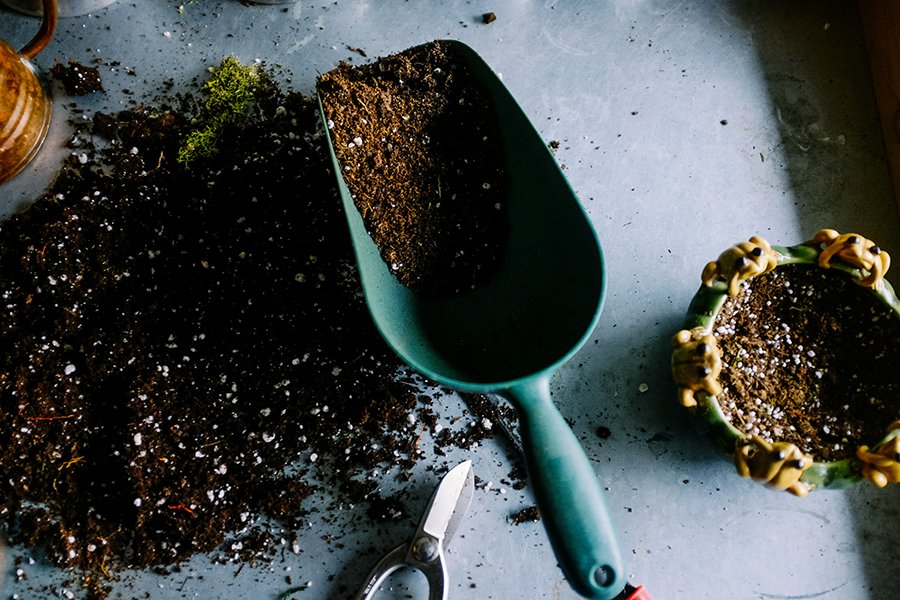
Healthy plants need more than just sunlight and water. To grow strong roots, lush leaves, vibrant flowers, and productive fruits, plants require a steady supply of nutrients. While chemical fertilizers can provide quick results, many gardeners are turning to organic fertilizers for a safer, more sustainable approach to plant care.
Organic fertilizers improve soil health, support beneficial microorganisms, and provide nutrients naturally over time. Whether you're growing indoor plants, vegetables, herbs, flowers, or fruit trees, organic fertilizers can help your garden thrive.
In this guide, we'll explore the best organic fertilizers, their benefits, and how to use them effectively for healthy plant growth.
What Are Organic Fertilizers?
Organic fertilizers are natural substances derived from plant, animal, or mineral sources that provide essential nutrients to plants. Unlike synthetic fertilizers, organic options release nutrients gradually, improving soil structure and promoting long-term plant health.
Common organic fertilizers include:
- Compost
- Vermicompost
- Cow manure
- Neem cake
- Bone meal
- Seaweed extract
- Fish emulsion
- Mustard cake fertilizer
- Organic liquid fertilizers
These fertilizers enrich the soil while supporting beneficial microbes that help plants absorb nutrients more effectively.
Why Choose Organic Fertilizers?
1. Improves Soil Health
Organic fertilizers increase soil fertility by adding organic matter. This improves soil texture, water retention, and aeration.
2. Safe for Plants and the Environment
Natural fertilizers are less likely to cause nutrient burn or environmental pollution compared to synthetic alternatives.
3. Supports Beneficial Microorganisms
Healthy soil contains billions of microorganisms that help break down nutrients. Organic fertilizers feed these beneficial microbes.
4. Sustainable Gardening
Organic gardening promotes environmentally friendly growing practices and reduces dependence on chemical inputs.
5. Better Long-Term Results
While chemical fertilizers often provide quick growth, organic fertilizers build healthier soil that supports plants year after year.
Essential Nutrients Plants Need
Plants require several nutrients for healthy growth.
Nitrogen (N)
Supports:
- Leaf growth
- Green foliage
- Overall plant vigor
Phosphorus (P)
Supports:
- Root development
- Flowering
- Fruit production
Potassium (K)
Supports:
- Disease resistance
- Water regulation
- Strong stems
Organic fertilizers often contain these nutrients naturally, along with important micronutrients such as calcium, magnesium, sulfur, iron, and zinc.
Best Organic Fertilizers for Home Gardens
1. Compost
Compost is often called "black gold" by gardeners because of its incredible benefits.
Made from:
- Kitchen scraps
- Vegetable peels
- Dry leaves
- Grass clippings
- Garden waste
Benefits:
- Improves soil structure
- Provides balanced nutrients
- Encourages beneficial microbes
How to use:
Mix compost into the soil or apply as a top dressing around plants.
2. Vermicompost
Vermicompost is produced by earthworms that break down organic matter into nutrient-rich castings.
Benefits:
- Rich in beneficial microorganisms
- Improves root growth
- Enhances nutrient availability
Suitable for:
- Indoor plants
- Vegetables
- Flowering plants
- Fruit trees
Apply every 30-45 days for best results.
3. Cow Manure
Well-aged cow manure is one of the oldest and most effective organic fertilizers.
Benefits:
- Improves soil fertility
- Increases microbial activity
- Provides slow-release nutrients
Important:
Always use fully decomposed manure to avoid damaging plants.
4. Neem Cake Fertilizer
Neem cake is a byproduct of neem oil extraction and is widely used in organic gardening.
Benefits:
- Improves soil fertility
- Acts as a natural pest deterrent
- Protects roots from harmful soil pests
Best for:
- Vegetable gardens
- Flowering plants
- Fruit plants
5. Bone Meal
Bone meal is made from finely ground animal bones.
Rich in:
- Phosphorus
- Calcium
Benefits:
- Encourages strong root development
- Promotes flowering and fruiting
Best for:
- Roses
- Flowering plants
- Bulbs
- Fruit trees
6. Mustard Cake Fertilizer
A popular organic fertilizer in India, mustard cake is rich in nutrients and supports vigorous plant growth.
Benefits:
- Improves flowering
- Boosts vegetable production
- Encourages healthy foliage
How to use:
Soak mustard cake in water for several days and dilute before application.
7. Seaweed Extract
Seaweed fertilizer contains natural growth hormones and micronutrients.
Benefits:
- Promotes root growth
- Increases stress resistance
- Improves flowering
Available as:
- Liquid concentrate
- Powder formulations
Suitable for nearly all plant types.
8. Fish Emulsion
Fish emulsion is a nutrient-rich liquid fertilizer derived from fish byproducts.
Benefits:
- Provides quick nitrogen boost
- Encourages lush green growth
- Supports healthy foliage
Best used during active growth periods.
Homemade Organic Fertilizers
Many effective fertilizers can be made at home.
Banana Peel Fertilizer
Rich in potassium and phosphorus.
Ideal for:
- Flowering plants
- Fruiting plants
Eggshell Fertilizer
Provides calcium for stronger cell walls.
Ideal for:
- Tomatoes
- Peppers
- Vegetables
Rice Water
Contains beneficial nutrients and microbes.
Useful for:
- Indoor plants
- Vegetables
- Herbs
Compost Tea
A nutrient-rich liquid made from compost.
Benefits:
- Improves microbial activity
- Supports healthy plant growth
How Often Should You Fertilize Plants?
Frequency depends on the plant type and fertilizer used.
General guideline:
Indoor Plants
Every 4-6 weeks during active growth.
Flowering Plants
Every 2-4 weeks during blooming season.
Vegetable Gardens
Every 2-3 weeks during the growing season.
Fruit Trees
Several times throughout the year, especially before flowering and fruiting.
Always follow product recommendations and avoid excessive feeding.
Common Fertilizing Mistakes
Over-Fertilizing
Too much fertilizer can damage roots and cause nutrient burn.
Fertilizing Dry Soil
Always water lightly before applying fertilizers.
Ignoring Plant Needs
Different plants require different nutrient levels.
Using Fresh Manure
Fresh manure may contain pathogens and can burn plants.
Use only properly composted manure.
Organic Fertilizers vs Chemical Fertilizers
Organic FertilizersChemical FertilizersImprove soil healthMay degrade soil over timeSlow-release nutrientsFast nutrient releaseEco-friendlyPotential environmental impactSupport soil microbesMay harm beneficial organismsLong-term benefitsShort-term results
For sustainable gardening, organic fertilizers are generally the preferred choice.
Best Plants That Benefit from Organic Fertilizers
Organic fertilizers work exceptionally well for:
- Indoor plants
- Roses
- Hibiscus
- Jasmine
- Vegetables
- Herbs
- Fruit trees
- Succulents
- Balcony garden plants
- Terrace garden crops
Most plants respond positively to consistent organic feeding.
Where to Buy Organic Fertilizers Online
Finding high-quality organic fertilizers is essential for successful gardening. Whether you're looking for vermicompost, neem cake, compost, organic plant food, potting mixes, gardening tools, or healthy plants, choosing trusted sellers ensures better results.
Bagecha.in is a growing marketplace where gardening enthusiasts can discover plants, seeds, pots, organic fertilizers, soil mixes, gardening accessories, and much more from sellers across India. Whether you're starting a kitchen garden, maintaining indoor plants, or creating a lush balcony garden, Bagecha.in offers products that help support healthy plant growth naturally.
Final Thoughts
Organic fertilizers provide a natural and sustainable way to nourish plants while improving soil health. From compost and vermicompost to neem cake and seaweed extracts, there are many options available for gardeners who want healthier plants and a greener environment.
By using organic fertilizers consistently and understanding your plants' nutritional needs, you can enjoy stronger roots, greener leaves, more flowers, and better harvests—all while supporting long-term soil fertility and sustainable gardening practices.

Comments (0)
Leave a Comment